
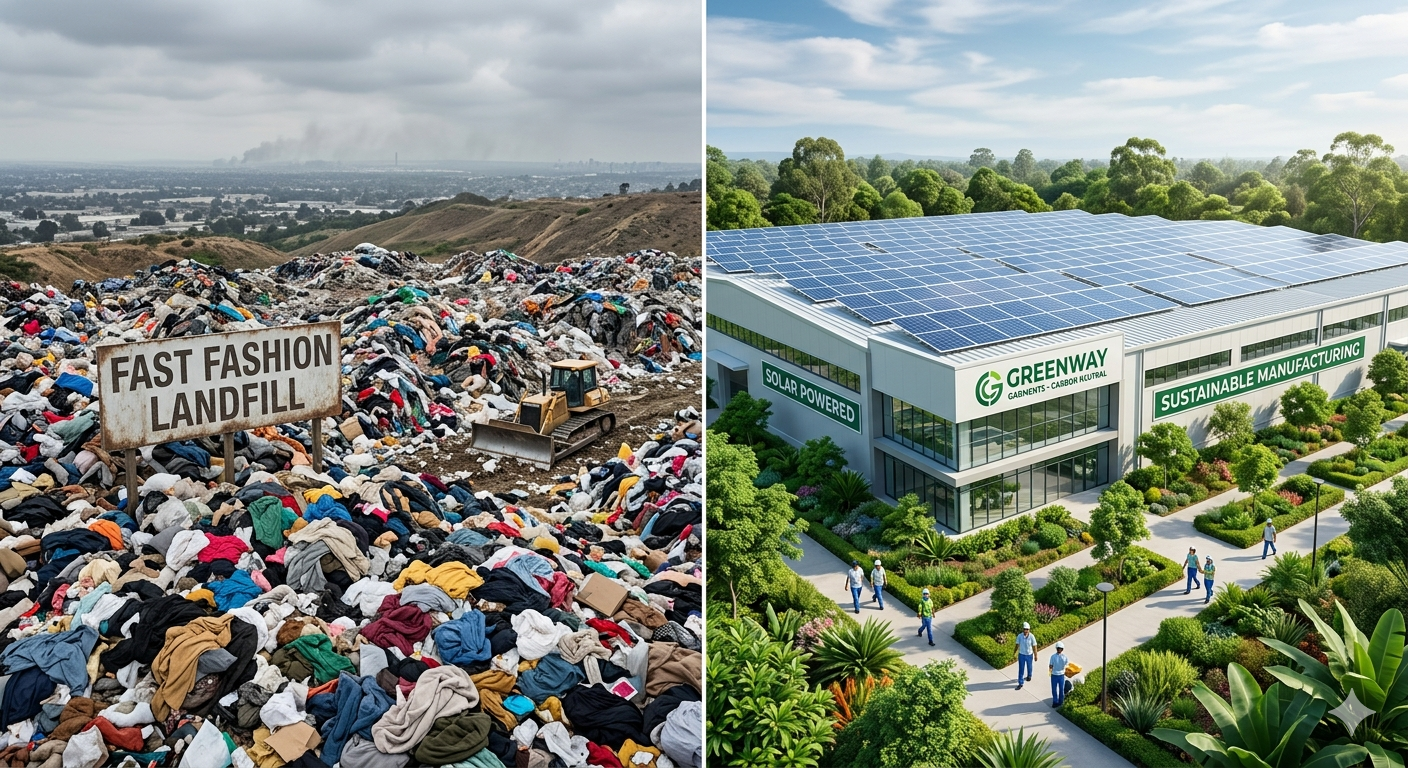
The fashion industry is notoriously one of the most polluting sectors on the planet, responsible for a significant chunk of global greenhouse gas emissions. As climate awareness reaches a tipping point, a new standard has emerged to combat fast fashion: carbon neutral clothing.
But what does this term actually mean? Is it a genuine solution to the climate crisis, or just another clever marketing buzzword? Here is a straightforward, no-nonsense guide to everything you need to know about carbon neutral fashion today.
What is Carbon Neutral Clothing?
At its core, carbon neutral clothing means that the net greenhouse gas emissions produced by creating a garment equal zero. Every step of a piece of clothing’s lifecycle—from growing the cotton and dyeing the fabric to sewing, shipping, and even how you wash it—generates carbon emissions.
For a brand to claim a garment is “carbon neutral,” they must balance out these emissions. This is typically achieved through a two-step process:
- Reduction: Actively minimizing the carbon footprint during production (using renewable energy, sourcing local materials, minimizing waste).
- Offsetting: Investing in environmental projects—like reforestation, wind farms, or carbon capture technology—to remove an equivalent amount of carbon from the atmosphere for whatever emissions they cannot eliminate.
The Problem with “Offsets” (A Dose of Reality)
While carbon neutral clothing is a massive step in the right direction, it requires a critical eye. Not all carbon neutrality is created equal.
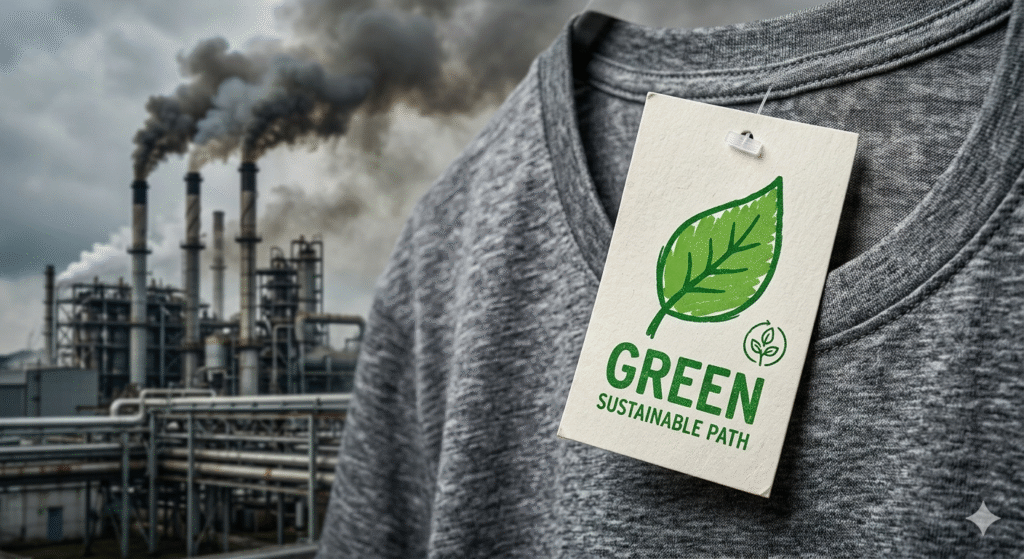
Some brands rely entirely on cheap carbon offsets without actually changing their dirty manufacturing processes. This means they continue to pollute locally while paying to plant trees globally. This is a classic example of greenwashing. True sustainability requires a brand to aggressively reduce its internal emissions before relying on offsets to handle the rest.
The Fabrics Driving the Movement
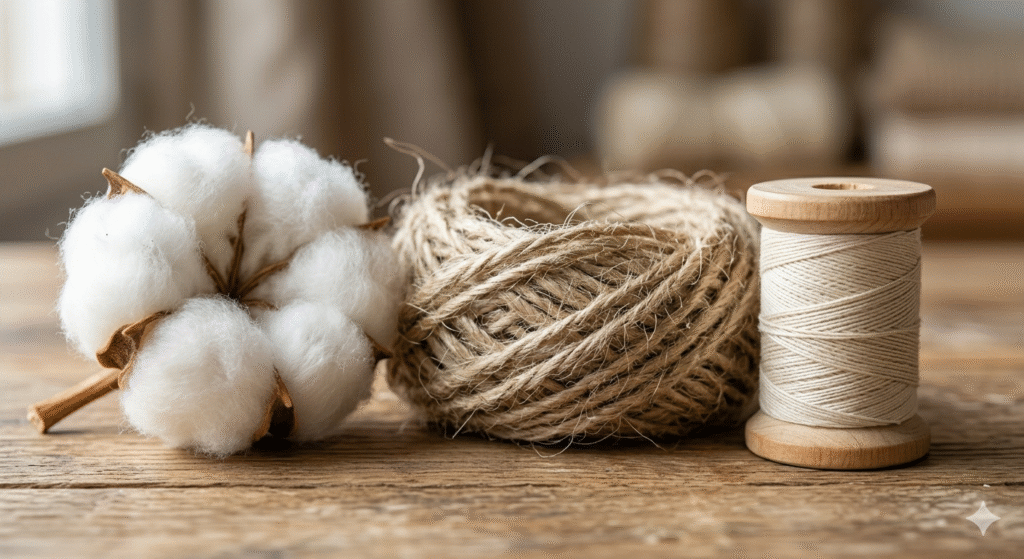
The foundation of any low-impact garment is the material it is made from. Traditional cotton is highly water and pesticide-intensive, while conventional polyester is essentially spun plastic derived from fossil fuels. Carbon neutral brands pivot to better alternatives:
- Organic Cotton: Grown without synthetic pesticides and fertilizers, requiring significantly less energy and water.
- Tencel (Lyocell): A semi-synthetic fiber made from sustainably sourced wood pulp, manufactured in a “closed-loop” system where water and solvents are reused.
- Hemp: A highly resilient crop that requires very little water, no pesticides, and actively absorbs large amounts of carbon dioxide from the atmosphere as it grows.
- Recycled Synthetics: Fabrics made from post-consumer plastic bottles or discarded fishing nets, which require far less energy to produce than virgin polyester.
How to Spot Genuine Carbon Neutral Brands
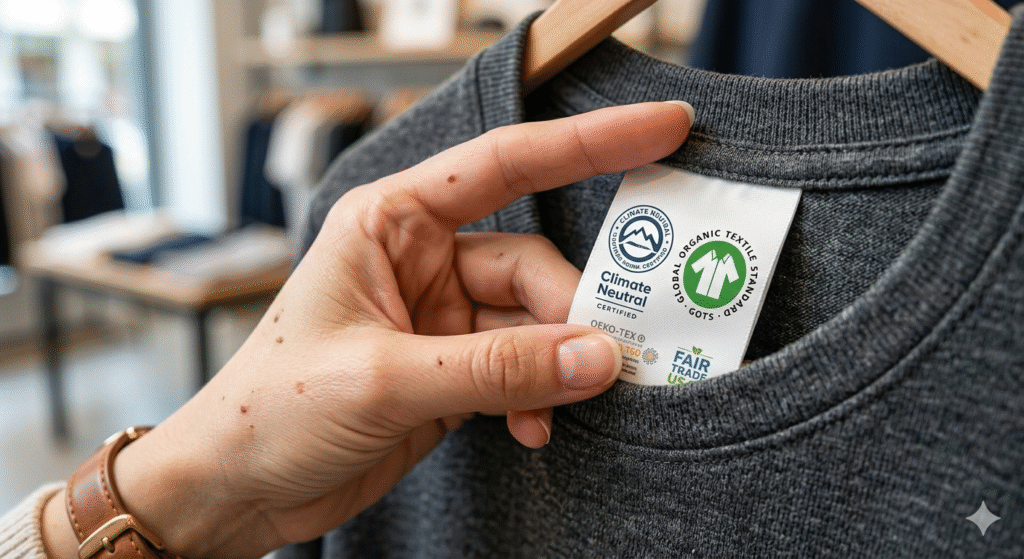
Navigating the world of sustainable fashion can feel like reading a foreign language. To ensure you are buying from a brand that walks the walk, look for third-party certifications. A brand’s own marketing claims are rarely enough.
| Certification | What It Means for You |
| Climate Neutral Certified | The gold standard. The brand has rigorously measured, reduced, and offset its entire carbon footprint for the year. |
| B Corp (Certified B Corporation) | The company meets extremely high standards of verified social and environmental performance, accountability, and transparency. |
| GOTS (Global Organic Textile Standard) | Ensures the organic status of textiles from harvesting raw materials through environmentally and socially responsible manufacturing. |
| OEKO-TEX Standard 100 | Guarantees that the clothing has been tested for harmful substances and is safe for human health and the environment. |

The Cost Factor: Why You Pay More
One of the most common shocks for consumers transitioning away from fast fashion is the price tag. Carbon neutral and sustainable clothing generally costs more than a $10 t-shirt from a mall retailer.
This price difference is grounded in reality. Fast fashion is cheap because it exploits labor and ignores environmental damage. When you buy a carbon-neutral garment, you are paying the true cost of production. You are paying for fair wages, safe working conditions, renewable energy usage, premium low-impact fabrics, and verified environmental offsets. It is an investment in longevity over disposability.
Final Thoughts: What You Can Do Now
You cannot buy your way out of the climate crisis, even with carbon neutral clothing. The most sustainable garment is the one that is already in your closet. However, when you do need to make a purchase, choosing carbon neutral options forces the fashion industry to change its standard operating procedures.
By demanding transparency, looking for strict certifications, and investing in fewer, higher-quality items, you directly influence the future of how the world dresses.