
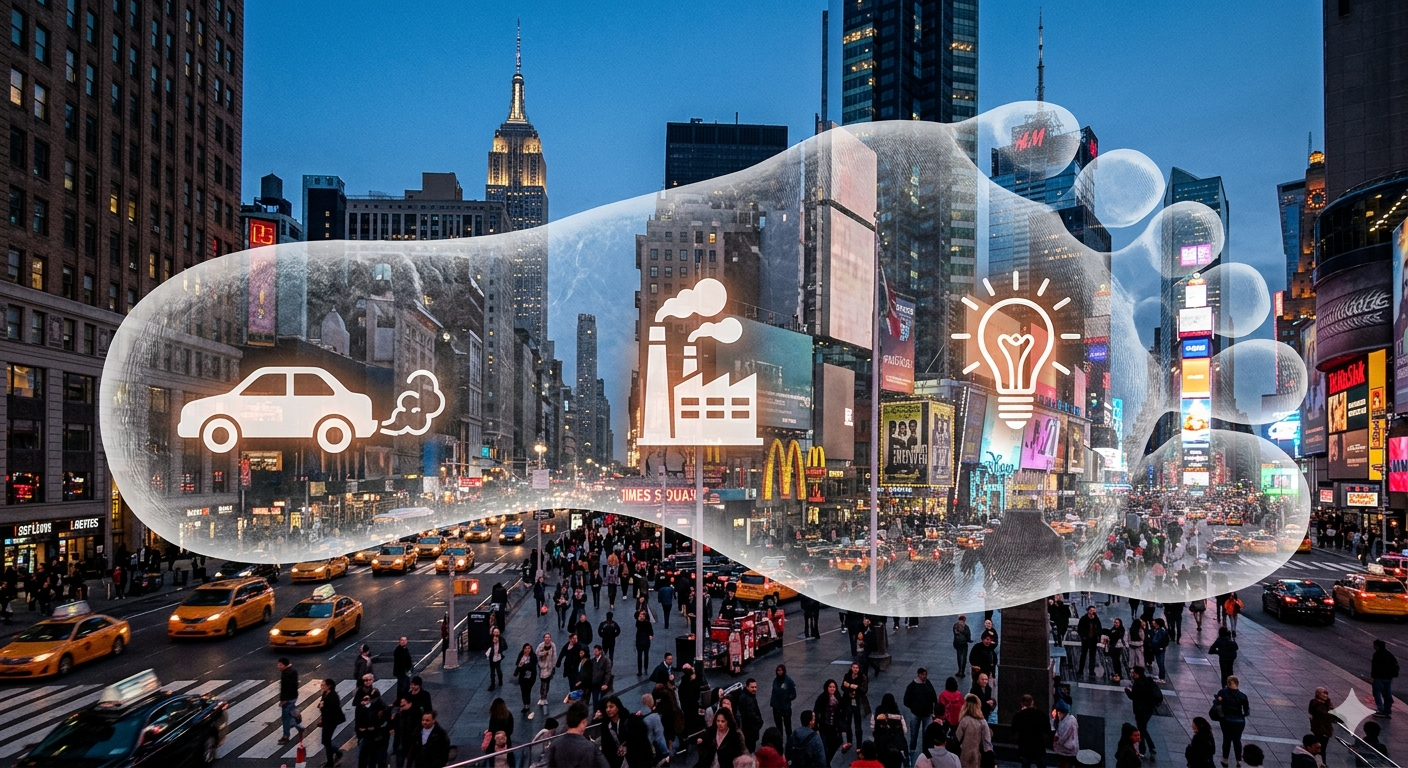
Topic: Navigating the real-world hurdles of lowering our carbon footprints.
Target Audience: Environmentally conscious individuals looking for realistic, actionable advice beyond the standard “use paper straws” narrative.
We have all heard the advice: take shorter showers, recycle your plastic bottles, and turn off the lights when you leave a room. For years, the narrative around climate change has been heavily focused on individual micro-actions.
While these actions are well-intentioned, the reality of reducing our global carbon footprint in 2026 is far more complex. As we face escalating climate anomalies, it is becoming increasingly clear that fighting climate change requires more than just good intentions—it requires navigating a maze of systemic, economic, and infrastructural challenges.
If you have ever felt overwhelmed trying to live a “green” life, you are not alone. Here is an honest look at the biggest challenges we face in reducing our carbon footprints, and how we can practically overcome them.
Challenge 1: The “Green Premium” and Economic Barriers
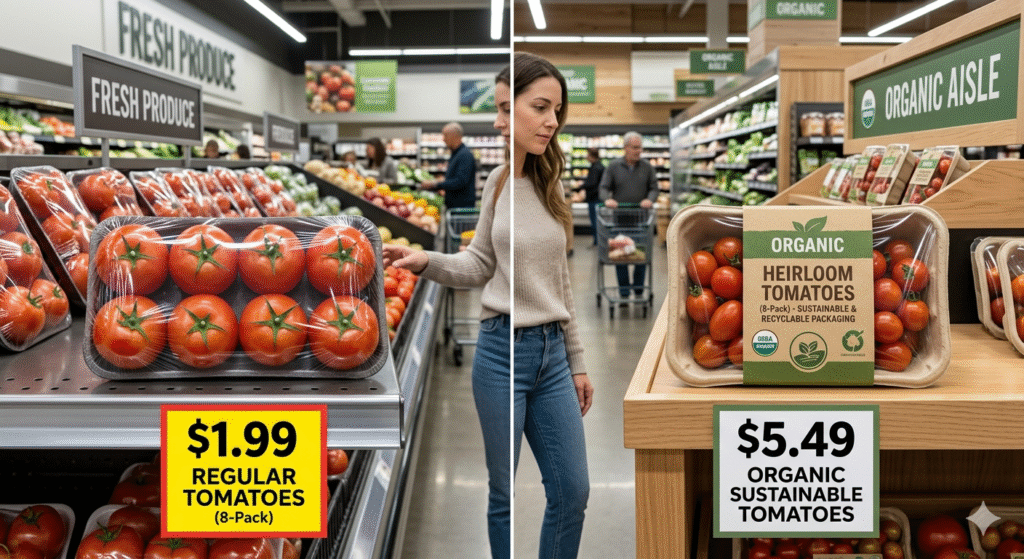
One of the most frustrating realities of sustainable living is that it often comes with a higher price tag. This phenomenon is known as the “Green Premium.”
Whether you are looking at an electric vehicle (EV), a sustainably sourced organic cotton shirt, or a flight powered by sustainable aviation fuel, the low-carbon option frequently costs more than its fossil-fuel-heavy counterpart. Fast fashion, factory-farmed meat, and single-use plastics remain cheap because their environmental costs are entirely externalized—meaning the planet pays the price, not the manufacturer.
The Realistic Solution: You do not have to buy your way into sustainability. The most effective way to bypass the Green Premium is to simply consume less.
- The Second-Hand Economy: Embrace thrift stores, refurbished electronics, and used vehicles. Extending the life of an existing product has a massive impact on its overall carbon footprint.
- Invest in Efficiency: If you do spend money, spend it on things that lower your long-term energy use, such as LED lighting, weather-stripping your doors, or upgrading to energy-efficient appliances.
Challenge 2: Infrastructure Bottlenecks
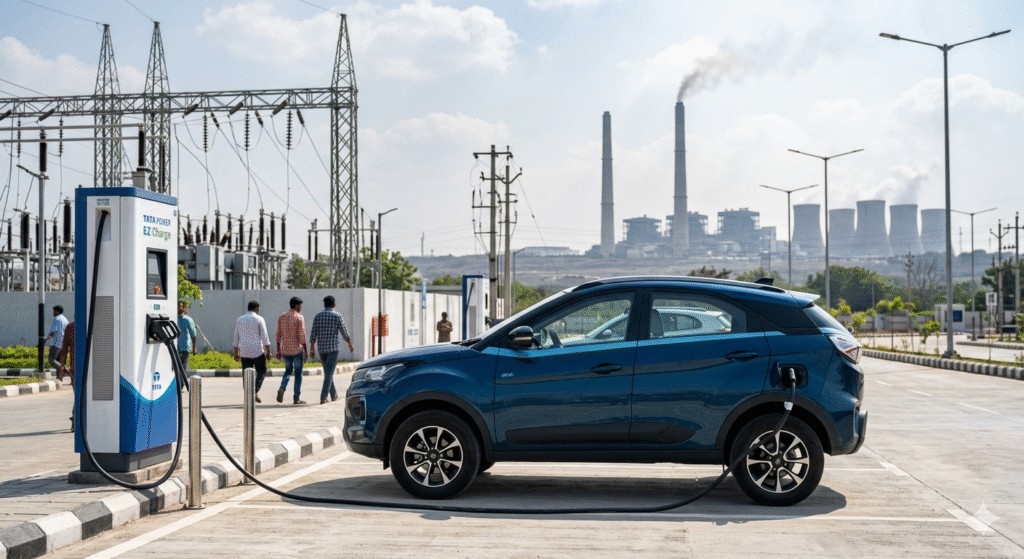
You might be highly motivated to ditch your gas-powered car for public transit or a bicycle. But what if your city lacks reliable buses, safe bike lanes, or EV charging stations?
A massive challenge in reducing individual carbon footprints is that we are inherently tied to the infrastructure of the cities we live in. If your local energy grid is powered entirely by coal, switching to an electric vehicle or a heat pump will not have the zero-emission impact you are aiming for. We cannot separate the individual from the grid.
The Realistic Solution:
- Vote with Your Voice: Infrastructure changes happen at the policy level. Attend local town halls, support politicians who advocate for renewable energy grids and robust public transit, and push for corporate accountability.
- Optimize Your Commute: If public transit isn’t an option, look into carpooling, advocating for work-from-home days at your office, or using micro-mobility options (like electric scooters) for short, local trips.
Challenge 3: The Dietary Divide
The agricultural sector, particularly animal farming, is responsible for a staggering portion of global greenhouse gas emissions. Methane from cattle and the land-clearing required for livestock feed contribute heavily to our warming planet.
However, food is deeply tied to culture, tradition, and personal identity. Telling people to entirely give up meat is often met with massive cultural resistance. Furthermore, in many parts of the world, access to fresh, affordable, and diverse plant-based nutrition is a genuine challenge, known as a “food desert.”
The Realistic Solution: You do not have to become a strict vegan overnight to make a difference.
- The Flexitarian Approach: Commit to “Meatless Mondays” or aim to eat plant-based meals for just two days a week. If everyone reduced their meat consumption by just 20%, the agricultural emissions drop would be monumental.
- Eat Local and Seasonal: Transporting out-of-season produce halfway across the globe requires massive amounts of aviation fuel. Support local farmers’ markets and eat what is currently in season in your region.

Challenge 4: Greenwashing and Consumer Confusion
In 2026, “eco-friendly” is a highly lucrative marketing angle. This has led to an explosion of greenwashing—when companies spend more time and money marketing themselves as environmentally friendly than actually minimizing their environmental impact.
Navigating the grocery store aisles or online shopping catalogs can feel like a minefield. Is this product actually “carbon neutral,” or did the company just buy cheap, unverified carbon offsets to justify their pollution? When everything claims to be green, it is exhausting to figure out what actually is.
The Realistic Solution:
- Look for Verifiable Certifications: Ignore vague buzzwords like “natural” or “earth-friendly.” Look for strict third-party certifications like B-Corp, Energy Star, Fair Trade, or Climate Neutral Certified.
- Demand Transparency: Support brands that publish their supply chain data and have clear, measurable goals for reducing their absolute emissions, rather than just relying on offsets.
Conclusion: Shifting the Focus from Perfection to Impact
The concept of the “personal carbon footprint” was actually popularized by the fossil fuel industry in the early 2000s. Why? To shift the blame away from systemic corporate pollution and onto the everyday consumer.
While individual actions absolutely matter, striving for absolute zero-waste perfection is a recipe for burnout. The true challenge of reducing our carbon footprint is recognizing where our energy is best spent.
Focus your efforts on the “Big Three”: how you travel, how you power your home, and what you eat. By making consistent, realistic changes in these high-impact areas—and fiercely advocating for systemic, governmental change—we can collectively move the needle in the right direction.