
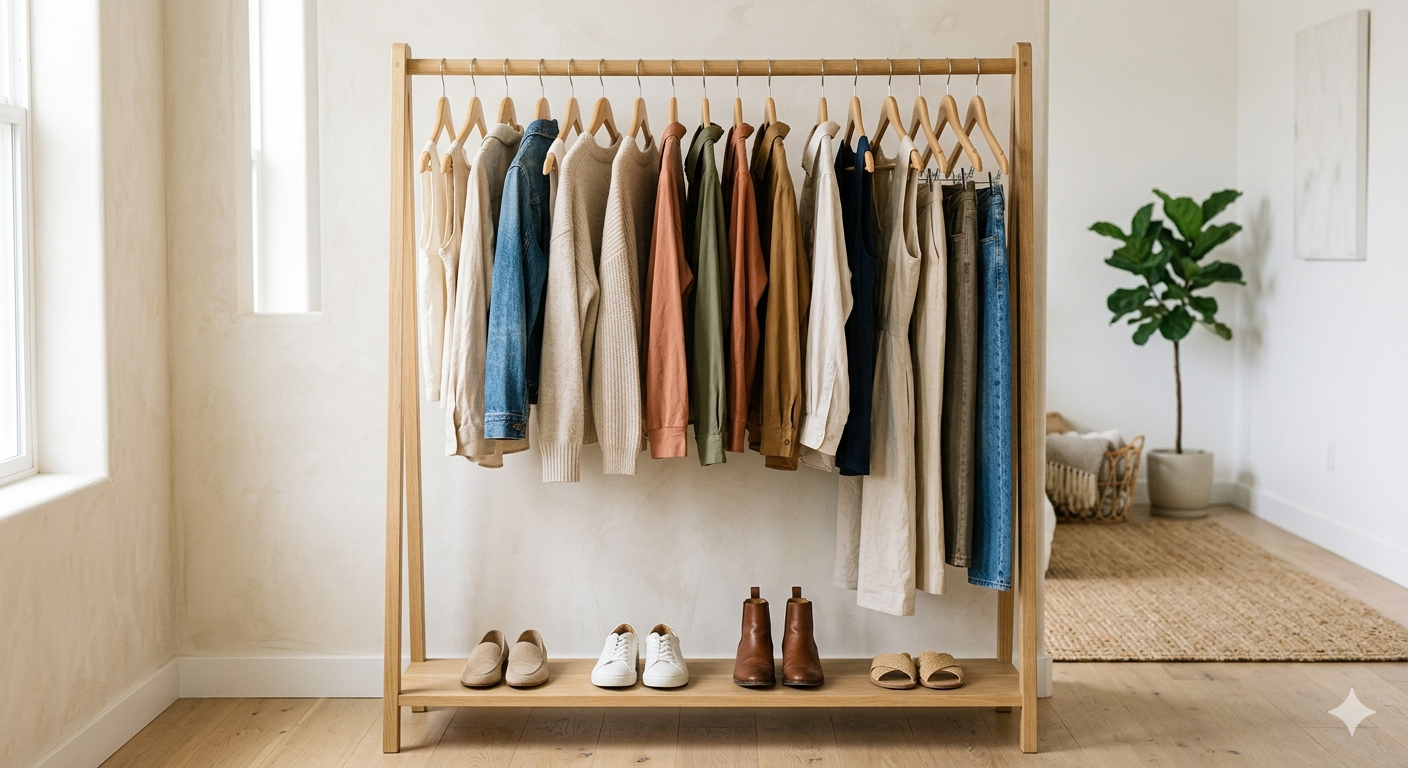
Topic: Beating fast fashion by curating a minimalist, high-impact wardrobe. Target Audience: Consumers overwhelmed by cluttered closets and fast-fashion guilt, looking for a practical, stylish way to reduce their carbon footprint.
We have all experienced it: standing in front of a closet bursting with clothes, hangers crammed together, yet feeling the overwhelming frustration of having “absolutely nothing to wear.”
For decades, the fashion industry has trained us to treat clothing as disposable. We buy an outfit for a single event, wear it once, and push it to the back of the wardrobe. This cycle of endless consumption is not only exhausting for our wallets and mental health, but it is also devastating for the planet.
As we navigate 2026, the most radical act of climate defiance you can take in the fashion world is surprisingly simple: buy less, wear more. Enter the capsule wardrobe. It is not just a minimalist aesthetic trend; it is a highly effective strategy for drastically reducing your personal carbon footprint while completely eliminating decision fatigue. Here is your definitive guide to understanding and building a sustainable capsule wardrobe.
What Exactly is a Capsule Wardrobe?
A capsule wardrobe is a curated collection of versatile, high-quality, and interchangeable clothing items. Instead of owning 100 random pieces that only work in specific combinations, a capsule consists of roughly 30 to 40 items (including shoes and outerwear) that can be mixed and matched to create dozens of effortless outfits.
The philosophy is simple: quality over quantity. By stripping away the clutter, you are left with only the clothes that fit you perfectly, make you feel confident, and suit your actual daily lifestyle.
The Carbon Math of “Rewearing”
Why does a capsule wardrobe matter for the climate? It all comes down to a metric called “Carbon Per Wear.”
Every piece of clothing has an “embedded carbon” cost—the total emissions generated by growing the cotton, dyeing the fabric, sewing the garment, and shipping it to your door.
- If you buy a cheap fast-fashion shirt and wear it 3 times before it loses its shape, the carbon footprint per wear is astronomically high.
- If you buy a high-quality, sustainably made shirt and wear it 100 times, the carbon footprint per wear drops to a fraction of a percent.
A capsule wardrobe forces you to wear the garments you own repeatedly. By keeping clothes in active rotation for years rather than months, you significantly reduce the demand for new resource extraction and keep textiles out of the landfill.
How to Build Your First Sustainable Capsule
Transitioning to a capsule wardrobe does not mean throwing away everything you own and buying an entirely new “eco-friendly” wardrobe. (In fact, doing that would be terrible for the environment!)
Building a capsule is a gradual process. Here is how to start:
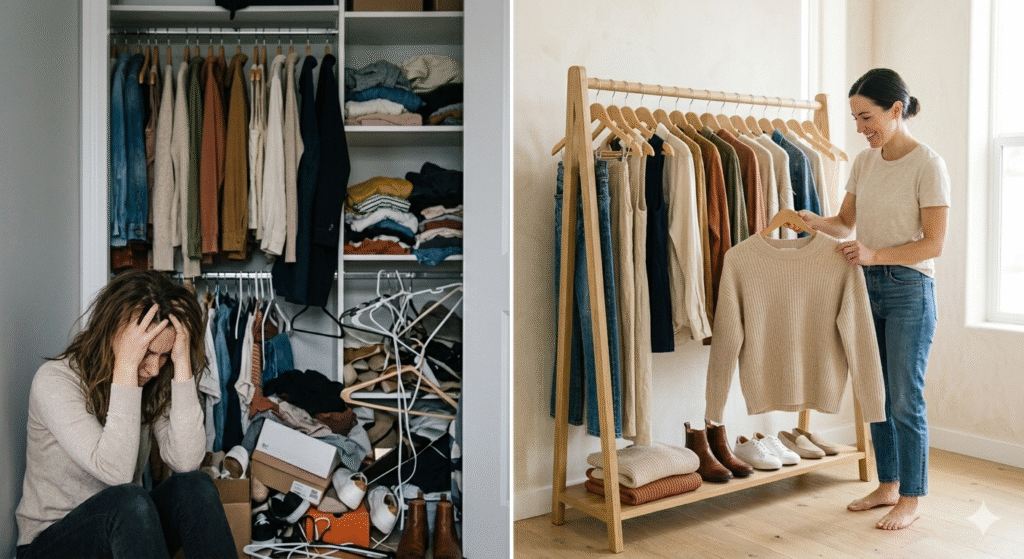
Step 1: The Honest Closet Audit
Take everything out of your closet. Create three piles: Love and Wear Often, Maybe/Seasonal, and Never Wear. The “Love” pile is the foundation of your new capsule. The “Never Wear” pile should be responsibly resold, swapped, or donated (as discussed in our guide on responsible clothing disposal).
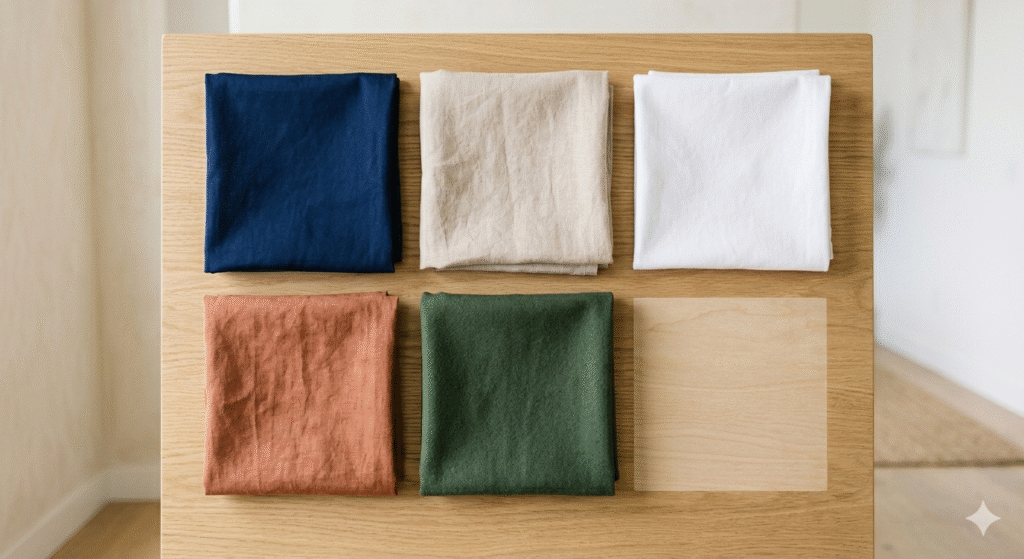
Step 2: Define Your Core Color Palette
The secret to a successful capsule is interchangeability, and that requires a cohesive color palette.
- The Base: Choose two or three neutral colors that look good on you (e.g., navy, black, camel, or olive). These will make up your pants, jackets, and basic tees.
- The Accents: Choose two or three accent colors (e.g., rust orange, sage green, or mustard yellow) for tops, scarves, or statement pieces. When your entire closet shares a color story, getting dressed in the dark becomes genuinely foolproof.
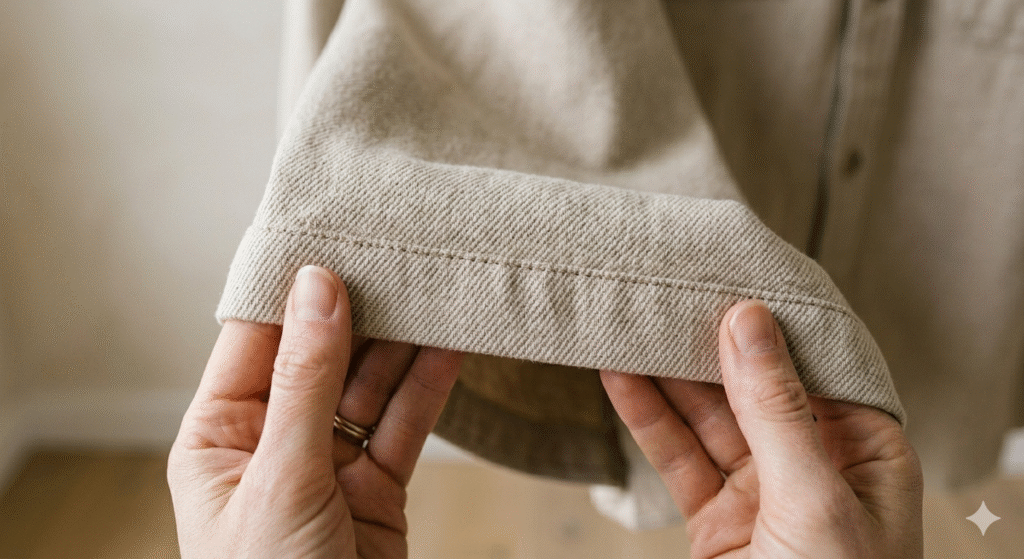
Step 3: Invest in the “Core”
Once you have cleared the clutter, you might notice a few gaps. Maybe you need a great pair of everyday jeans or a versatile blazer. When filling these gaps, this is your opportunity to vote for the planet. Look for the sustainable materials we championed earlier—organic cotton, durable linen, or Tencel. Invest in the highest quality you can comfortably afford, knowing this piece is meant to serve you for years, not weeks.
Overcoming “Outfit Fatigue”
The biggest hesitation people have about capsule wardrobes is the fear of being boring. “Won’t people notice I’m wearing the same sweater every week?”
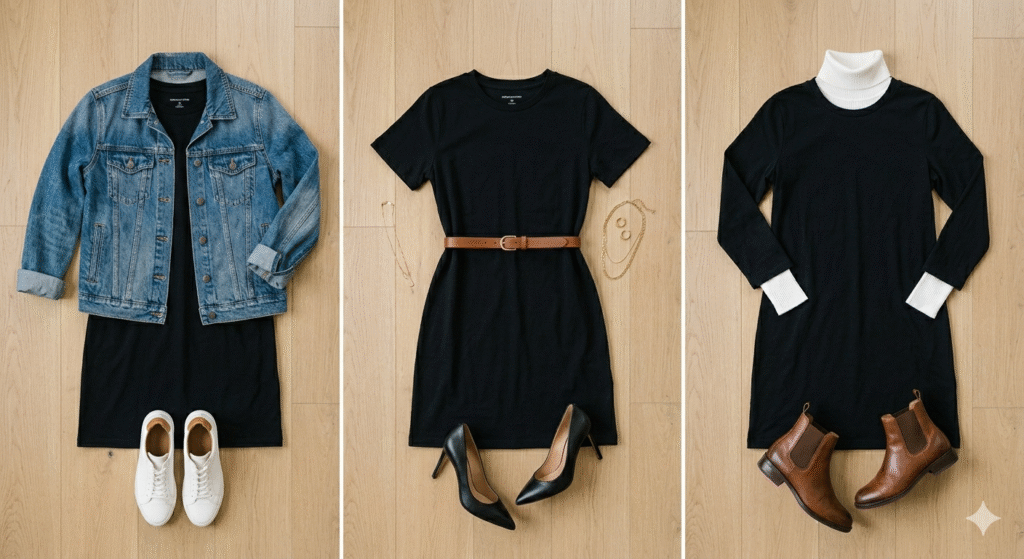
The truth is, nobody is tracking your outfits as closely as you are. Furthermore, a capsule wardrobe doesn’t mean wearing a uniform. You can inject immense variety into a small wardrobe through:
- Layering: A simple white button-down looks entirely different when worn under a chunky knit sweater versus worn open over a slip dress.
- Accessories: Belts, sustainable jewelry, and scarves take up zero closet space but can completely alter the vibe of an outfit.
- Renting the Runway: For weddings, galas, or special events that require a unique statement piece, use fashion rental services. You get the thrill of a new outfit without the carbon guilt of a single-use purchase.
Conclusion: Reclaiming Your Time and Space
Building a sustainable capsule wardrobe is an ongoing journey of intentionality. It is about blocking out the noise of micro-trends and trusting your personal style.
When you open a closet that only contains clothes you genuinely love, something magical happens. The anxiety of getting ready disappears. You save time, you save money, and, piece by piece, you stop feeding the destructive cycle of fast fashion.