
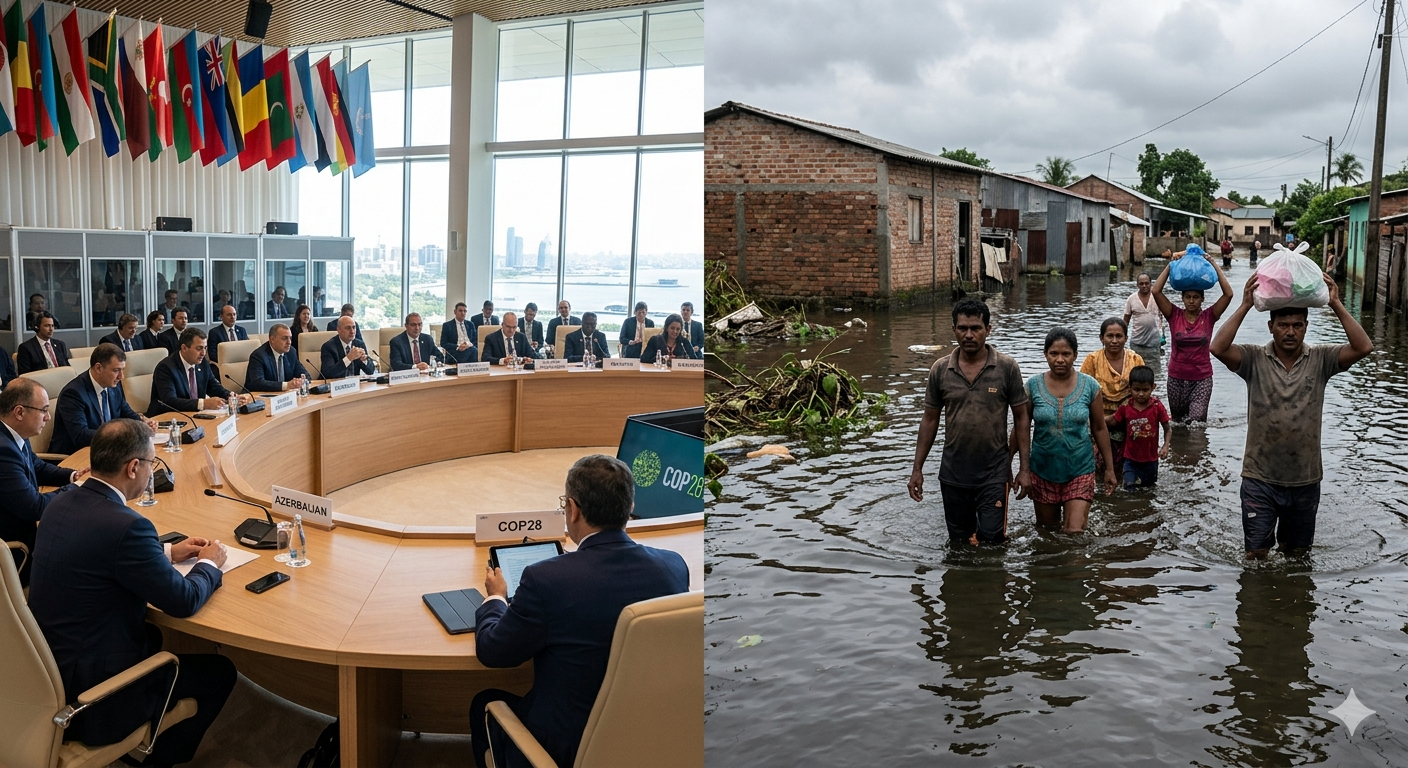
Topic: Decoding the outcomes of the “Finance COP” and what they mean for the global climate trajectory.
Target Audience: Climate-conscious professionals, policy watchers, and citizens trying to understand the gap between global climate diplomacy and real-world action.
If you followed the headlines out of Baku, Azerbaijan during COP29, you likely felt a familiar mix of hope and deep frustration. Dubbed the “Finance COP,” the 29th UN Climate Change Conference was tasked with one monumental, highly contentious job: figuring out how the world will actually pay for the climate crisis.
The truth about international climate diplomacy is that it is painfully slow. We are trying to rewire the entire global economy by consensus, which inevitably leads to watered-down texts and last-minute compromises. As we navigate the climate landscape of 2026, looking back at the foundation laid in Baku is critical to understanding where global policy—and capital—is flowing today.
Did COP29 save the planet? No. But did it move the needle? Yes. Here is a straightforward, hype-free breakdown of the key takeaways from Baku and what they mean for our immediate future.
1. The $300 Billion Compromise (The NCQG)
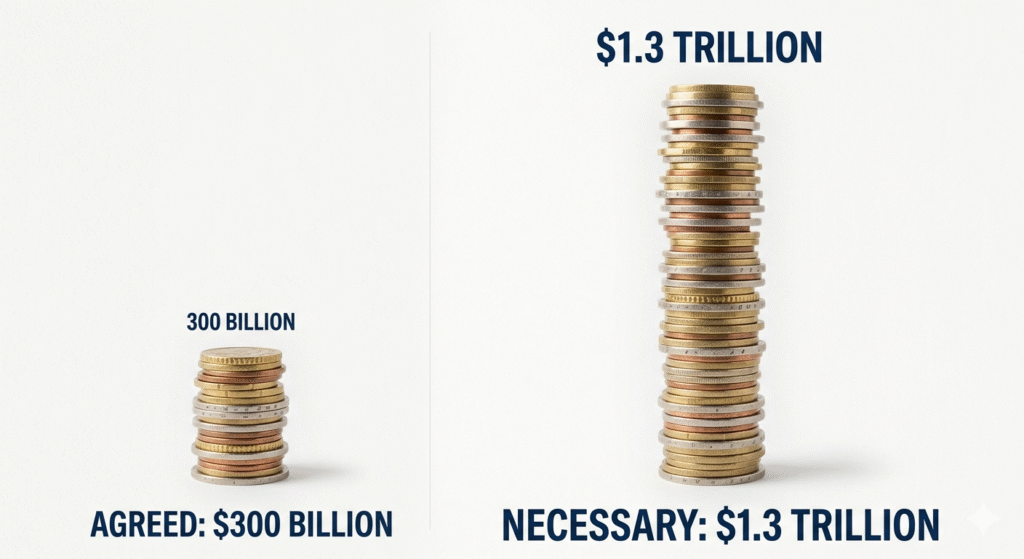
The absolute centerpiece of COP29 was the New Collective Quantified Goal (NCQG) on climate finance. For years, developed nations operated on a pledge to provide $100 billion annually to developing nations—a target they frequently missed.
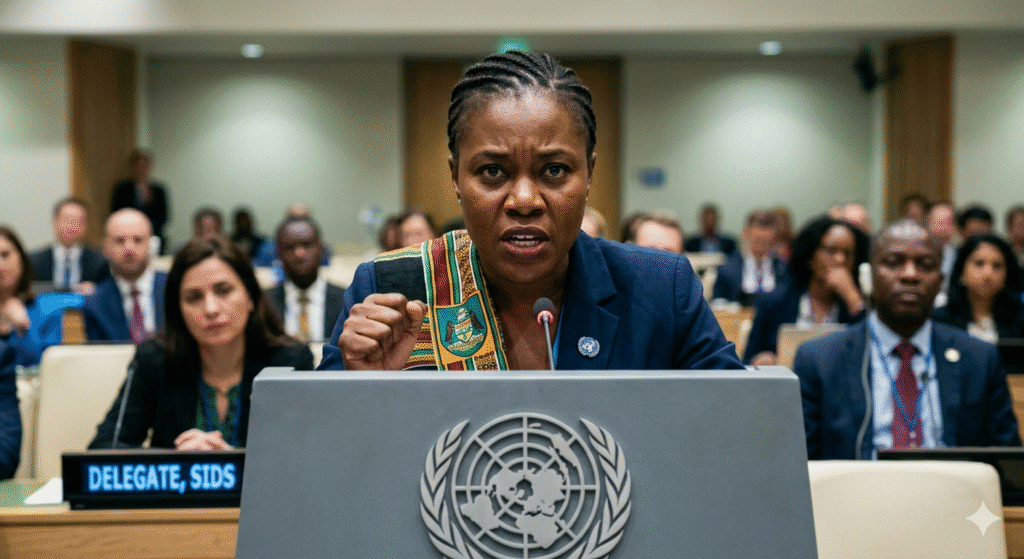
Developing nations, particularly the Least Developed Countries (LDCs) and Small Island Developing States (SIDS), came to Baku demanding a realistic number: $1.3 trillion annually in grants to transition their economies and survive extreme weather.
The Result: After bitter negotiations and temporary walkouts, developed nations agreed to mobilize at least $300 billion annually by 2035.
- The Empathy: The frustration from the Global South is entirely justified. Being told to accept a fraction of what is needed to survive a crisis you did not create is a bitter pill to swallow.
The Reality: From a purely diplomatic standpoint, getting wealthy nations to legally commit to tripling their financial contributions during a period of massive global inflation and geopolitical instability was a significant lift.
2. The Article 6 Breakthrough: A Global Carbon Market
While the finance goal grabbed the headlines, the most structural achievement of COP29 was the finalization of Article 6 of the Paris Agreement. Nearly a decade after it was first drafted, the rulebook for a UN-backed global carbon market is finally complete.
This framework allows countries (and, by extension, companies) to trade carbon credits. For example, if a wealthy nation funds a massive reforestation project in South America, they can claim those carbon reductions against their own climate targets.
Why it matters: Prior to this, the voluntary carbon market was like the Wild West—plagued by greenwashing, double-counting, and “phantom” credits that offered no real climate benefit. The new Article 6 mechanisms include mandatory safeguards to protect the environment and the rights of Indigenous peoples, bringing desperately needed oversight to a trillion-dollar market.

3. The Elephant in the Room: Fossil Fuels
If COP28 in Dubai was historic for finally including the phrase “transitioning away from fossil fuels” in the final text, COP29 was notable for punting the issue entirely.
Led by petrostates, the negotiations in Baku saw fierce pushback against introducing any binding commitments to phase out oil, gas, or coal subsidies. The final agreement essentially rested on the laurels of the previous year, kicking the hard decisions regarding fossil fuel extraction down the road. It was a stark reminder that while the world is willing to talk about financing green energy, it is still deeply reluctant to aggressively shut off the tap of fossil fuels.
The COP29 Reality Check: Expectations vs. Outcomes
To cut through the diplomatic jargon, here is exactly where the chips fell at the end of the summit:
| The Issue | What the Global South Demanded | What Was Actually Agreed |
| Climate Finance | $1.3 trillion annually, primarily in public, debt-free grants. | $300 billion annually by 2035, drawing heavily on private investments. |
| Carbon Markets | Strict, transparent oversight to prevent corporate greenwashing. | Finalized Article 6 rules with mandatory environmental and human rights safeguards. |
| Loss & Damage | Rapid capitalization and distribution of funds to disaster-struck areas. | Continued operationalization, but the fund remains severely undercapitalized. |
| Fossil Fuels | Binding language to phase out global fossil fuel subsidies. | No new commitments; a reiteration of the vague COP28 “transition” pledge. |
What’s Next: The “Baku to Belém” Roadmap
The gavel coming down in Baku was not an endpoint; it was the starting gun for the next decade of climate action. Here is what is driving the climate agenda right now:
- The Push for $1.3 Trillion: The $300 billion target is the floor, not the ceiling. The text established the “Baku to Belém Roadmap,” an ongoing initiative to figure out how to unlock the full $1.3 trillion through private capital, global tax levies, and multilateral development bank reforms by 2035.
- Aggressive NDCs: By early 2025, countries were required to submit their updated Nationally Determined Contributions (NDCs). We are now operating under these new, theoretically tighter emissions targets. The focus has entirely shifted from making pledges to auditing them.
- Corporate Accountability: With Article 6 finalized, the private sector has no more excuses. Businesses must move away from cheap, unverified offsets and invest in rigorously tracked, high-integrity carbon reduction projects.
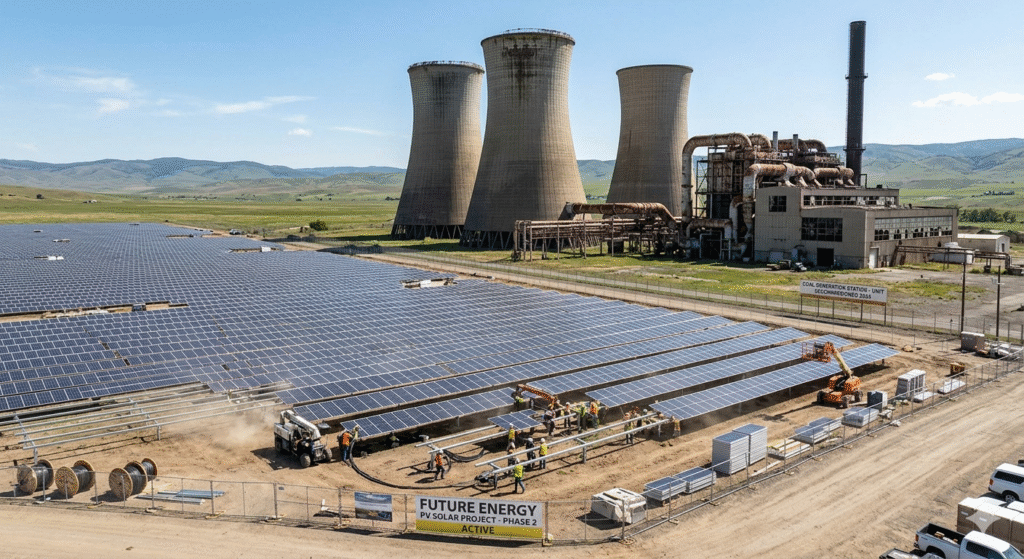
The Bottom Line: COP29 proved that the UN consensus model is flawed, slow, and frustratingly incremental. But it also proved it is the only viable framework we have to force global accountability. The transition is no longer a question of “if”—it is a brutal, financial battle over “how fast.”